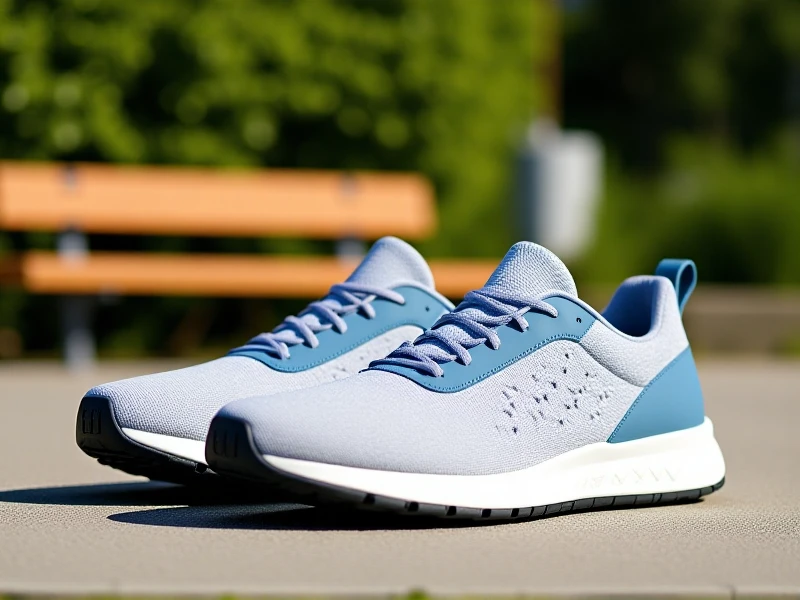
The Ultimate Guide to Finding Your Perfect Pair of Sports Shoes
Here's the SEO-optimized article targeting "Sports Shoes":
Choosing the right sports shoes isn't just about style; it's foundational for performance, comfort, and injury prevention. Whether you're pounding the pavement, dominating the court, or hitting the trails, the correct athletic footwear makes all the difference. Understanding your needs is key in the vast world of sports shoes.
Your Sport Dictates Your Shoes Specific activities demand specific designs. Running shoes prioritize lightweight construction and forward-motion cushioning to absorb impact during heel strikes. Training shoes, used for gym workouts or CrossFit, require lateral stability and support for multi-directional movements. Court shoes, like those for basketball or tennis, often have thicker, non-marking soles with enhanced ankle support for sharp pivots and jumps. Soccer cleats or trail-running shoes feature aggressive outsoles for grip on specific terrains. Matching the shoe type to your primary activity is paramount.
Understanding Your Foot Mechanics Foot strikes and arches matter. Generally categorized as:
- Neutral Pronation: Your foot rolls inward slightly and naturally absorbs shock.
- Overpronation: Your foot rolls excessively inward. Look for motion control or stability sports shoes.
- Supination (Underpronation): Your foot rolls outward. Opt for neutral-cushioned, flexible shoes. Knowing your gait (often determined by shoe wear patterns or a specialist assessment) ensures you select footwear offering the correct arch support and stability features.
Prioritizing Comfort and Fit Comfort is non-negotiable. Ensure:
- Space: There should be a thumbnail's width between your longest toe and the shoe's end.
- Width: Your foot shouldn't bulge over the midsole or feel pinched.
- Heel Lock: A secure, slip-free heel fit prevents blisters and instability.
- Trial Time: Wear new shoes during the activity you bought them for. Walk, jog, or make sport-specific moves. Fit should feel excellent immediately; rarely do sports shoes "break-in" comfortably.
The Role of Technology and Materials Modern sports shoes integrate technologies enhancing performance:
- Cushioning: Materials like Nike Air, Adidas Boost, or ASICS GEL absorb shock and provide responsive rebound.
- Support Structures: Integrated plates (e.g., carbon fiber for stiffness/response), heel counters, and varied midsole densities offer stability.
- Upper Materials: Breathable meshes keep feet cool; synthetic overlays provide strategic support. Knit uppers offer a sock-like fit. Choose technologies that address your specific performance needs, whether it's energy return for speed or maximum cushioning for comfort.
Replacement is Crucial Sports shoes degrade. Replace running shoes every 300-500 miles. For other activities, watch for signs like compressed cushioning (feels flat or firm), worn tread patterns, or creasing in the midsole. Worn-out shoes lose protective benefits and increase injury risk.
Conclusion Investing in the right sports shoes is investing in your performance and well-being. Assess your sport, understand your foot mechanics, prioritize fit, and leverage technology designed for your goals. Don't settle – find your perfect fit and step towards peak performance and comfort. Shop wisely and experience the difference with every stride and move.